
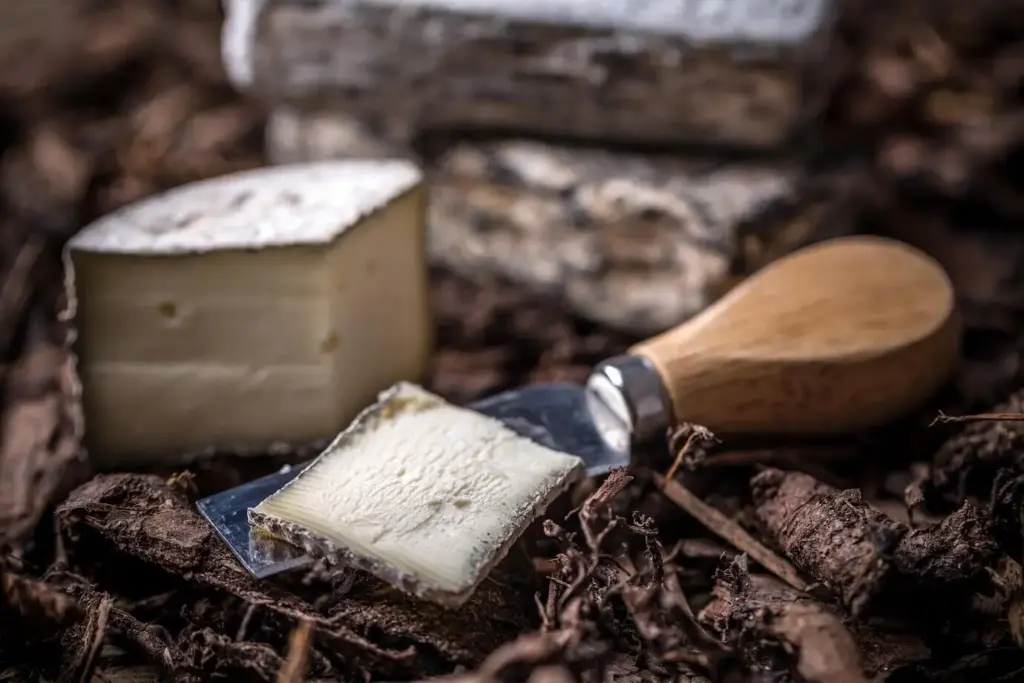

Hands, Timber, and Clay: Craft from the Heart of Slovenia

Today we explore Traditional Materials and Techniques in Slovenian Woodworking and Pottery, celebrating forests of beech and linden, clays fired by wood and smoke, and makers who shape everyday beauty. Through vivid stories, practical insights, and heritage facts, you will meet tools, materials, and processes that kept homes warm, meals hearty, and communities connected across valleys, karst plateaus, and river plains.

Roots in the Forest and the Earth

Slovenian craft begins where mountains shelter deep forests and riverbeds hide deposits of workable clay. Woodworkers choose durable beech, resonant spruce, and soft, carvable linden, while potters dig and refine earthy clays shaped by geography and time. Together, these resources foster a tradition that values frugality, ingenuity, and care, turning raw matter into vessels and tools that serve families, carry stories, and reveal a patient dialogue between hand, landscape, and memory.

From Log to Lasting Form

Transformation begins with reading the log, following grain lines like a map. Boards are riven for strength, stacked for seasoning, and brought to the bench where layout, knife marks, and saw kerfs guide quiet decisions. Traditional joints fit together with satisfying precision, allowing furniture, utensils, and tools to endure decades of daily use. The process honors patience, letting wood reveal form rather than forcing it into brittle obedience.
Freshly felled wood, still moist and cooperative, invites fluid shaping with axes, adzes, and knives. Rim hoops for sieves, handles for rakes, and kitchen ladles emerge quickly, then dry under controlled airflow to settle without checks. Steam softens stubborn fibers for bending, while careful orientation of growth rings prevents future weakness. The result is strength through alignment, not bulk, preserving lightness and resilience in every finished piece.
Mortise-and-tenon shoulders lock like a handshake, dovetails resist racking, and wooden pegs swell gently with humidity, tightening joints over time. These solutions require no modern hardware, only careful layout, sharp chisels, and practiced paring cuts. When fit correctly, parts draw together with a tap and stay aligned for generations, allowing stools, chests, and frames to be repaired, adapted, and admired long after their first maker has passed.

Wheel, Fire, and Smoke

Pottery in Slovenia moves to rhythms set by the kick wheel and the crackle of wood-fired heat. Clay centers under steady hands, water slickens, and forms rise in breath and rotation. Decoration flows from slips, burnishing stones, and incised lines, while firing transforms fragile shapes into durable pots. In some villages, controlled smoke deepens color to a velvety black, a distinctive signature of heritage and ingenuity.

Hand and Wheel Harmony

Throwing begins with wedged clay that feels alive, then centers with calm pressure until spinning mass becomes still in motion. Fingers establish base and wall thickness, ribs refine curves, and wires release forms for slow drying. Imperfections guide improvement rather than discourage effort. Each vessel records touch, speed, and moisture, carrying an imprint of the maker’s breath and patience that later glows beneath flame and ash.
Slip, Burnish, and Sgraffito

Liquid clay slips add tonal layers and invite expressive trails. A polished stone burnishes surfaces into a soft sheen that later intensifies under heat. Sgraffito reveals contrasting colors through delicate carving, capturing wheat sheaves, stars, or simple lines that catch light at the table. Together, these time-tested techniques create depth without heavy glaze, leaving tactile surfaces that feel both refined and warmly familiar in everyday hands.

Blackware by Filovci Tradition

In Filovci, pots are fired and then smothered with sawdust and straw, starving flames of oxygen so smoke infuses clay. This reduction firing blackens surfaces beautifully and can enhance water resistance. The resulting sheen is not a coating but a transformation of the clay body itself, connecting each pot to fire’s mysterious chemistry and to makers who learned to read flames like a trusted, unpredictable teacher.
Household Objects with Soul

Across centuries, everyday Slovenian homes welcomed wooden spoons that kept stew from scorching and clay pots that held warmth long after embers faded. These objects were more than tools; they were companions in work and celebration. Their edges softened with use, their dents became stories, and their presence linked meals, seasons, and generations. To hold one is to feel continuity, usefulness, and affection woven into shape.

Journeys of Ribnica Woodenware

From Ribnica, peddlers once crossed passes with packs of sieves, spatulas, and rakes, trading practical wonders known as suha roba. Their routes stitched villages together, proving that craftsmanship travels as surely as news. Each sale funded another season in the workshop, another apprentice’s lessons, and another family’s table set with tools that worked hard, wore well, and returned value through kindness, reliability, and familiar touch.

Clay Pots in the Kitchen

Clay casseroles simmer jota and ričet steadily, distributing heat gently while preserving moisture and deep flavor. Unglazed interiors breathe, glazed exteriors wipe clean, and round shoulders retain warmth for shared meals. Wooden spoons protect surfaces and taste, stirring stews without metallic notes. These pairings, tested in countless kitchens, demonstrate how material choices shape recipes themselves, guiding techniques, timing, and texture as surely as spices and salt.

Patterns, Motifs, and Meaning

Learning with Masters

In Ribnica’s studios and Filovci’s yards, teachers guide with patient eyes and steady hands. Visitors try a first cut on linden, a first pull on the wheel, discovering how much expression resides in pressure and angle. Stories accompany technique, linking individual effort to regional history. Participants leave not just with projects, but with a sense of belonging to a wider circle of material literacy and care.

Sourcing with Respect

Responsible craft honors forests and soil. Makers choose locally felled timber from well-managed stands, salvage offcuts, and favor efficient drying. Clay is extracted carefully, with attention to restoring dig sites and minimizing waste. Kilns get upgraded for clean combustion and insulation, while finishes avoid harmful solvents. These practices protect the materials that make the work possible, aligning beauty with stewardship and the future with thoughtful hands.

Share, Subscribe, Participate

We invite your stories about family spoons, blackened pots, or a treasured chest. Ask questions, request tutorials, and challenge assumptions kindly. Comment below, join our mailing list for workshop dates and behind-the-scenes notes, and share this page with friends who love making. Your voice keeps the conversation dynamic, helping traditions adapt without losing their heartbeat or the quiet friendships between hands, timber, clay, and time.

Tools, Shops, and Kilns

Good work grows from thoughtful spaces. Benches are set at elbow height, vices grip firmly without bruising wood, and shavings fall where sweeping is easy. Potters arrange wheels for rhythm, wedging tables for back health, and drying racks for airflow. Kilns, whether brick or fiber-lined, demand planning, patience, and logs stacked by species. In each corner, simple habits support safety, focus, and graceful repetition.

The Woodworker’s Bench

A solid bench with reliable holdfasts anchors effort. Planes glide truer when edges are keen, scrapers sing where grain rebels, and spokeshaves follow curves like water. Sharpening becomes a ritual that prevents frustration. With attentive maintenance, tools cut easily, waste less wood, and invite precision. The bench then ceases to be furniture and becomes a partner that rewards posture, patience, and small, cumulative improvements.

The Potter’s Corner

A firm wedging table keeps clay consistent, while shelves and bats organize work by drying stage. Ribs, trimming tools, and sponges live within easy reach, encouraging flow without interruption. A splash pan and steady stool support long sessions. Lighting reveals moisture sheen and contour, guiding decisions. With these quiet accommodations, making feels less like wrestling matter and more like collaborating with form as it emerges from rotation.

Firing with Confidence

Whether using a traditional wood-fired updraft kiln or a modest clamp firing, success depends on stacking, airflow, and a patient climb to temperature. Wadding prevents sticking, cones mark heatwork, and careful cooling avoids thermal shock. Logs of alder, beech, or spruce influence flame and ash deposition. Notes from each firing refine the next, teaching that mastery is attentive iteration rather than a single triumphant blaze.
Veltonaridexo
Privacy Overview

This website uses cookies so that we can provide you with the best user experience possible. Cookie information is stored in your browser and performs functions such as recognising you when you return to our website and helping our team to understand which sections of the website you find most interesting and useful.